計算科学戦略研究室について
About Us
偉大な先人たちによって近代計算機が生み出され、普及して以来、計算機を援用した科学「計算科学」は隆盛を続けています。数値流体力学に代表される物理シミュレーションは、いまやものづくりのスタンダードの一つとなるまでに発展しました。我が国のみならず、世界の計算科学研究は、物理学・工学の各分野で、それぞれに進歩を重ねてきました。しかし、物理現象や社会現象が幾重にも絡み合う、極めて複雑な問題に対し、変幻自在に解決策を提示できる段階には至っていないと思います。
この状況に対し、計算科学戦略研究室は、各分野の計算科学的方法論や事象を俯瞰し、分野の壁や常識を超えた「計算科学による問題解決戦略」を構想する専門家集団を標榜します。古典的な物理学や工学のどれにもあえて属さず、その視点から新たな学術を探求することを目的とします。新規の解析手法や現象の数理モデルの開発をはじめ、データ科学や人工知能技術との融合を図るなかで、工学的問題と計算科学の方法論の抽象的な繋がりを掘り下げ、より高次かつ一般的な知見を探究します。
このような多様な問題に対し、教員と学生、学内外の共同研究者が、それぞれの専門を持ち寄り、分野横断的な研究を進めています。
Ever since great pioneers created the modern computer and it came into widespread use, computational science, the science that makes use of computers, has continued to flourish. Physical simulation, typified by computational fluid dynamics, has developed to the point where it is now one of the standards of manufacturing. Computational science research, not only in Japan but around the world, has made steady progress within each individual field of physics and engineering. However, we believe that it has not yet reached the stage where it can offer solutions with complete flexibility to extremely complex problems in which physical and social phenomena are intertwined in many layers.
In response to this situation, the Computational Science Strategies Laboratory positions itself as a group of specialists who take a bird's-eye view of the computational science methodologies and phenomena of each field and conceive "problem-solving strategies based on computational science" that go beyond the boundaries between fields and beyond conventional wisdom. We deliberately belong to none of the classical fields of physics or engineering, and we aim to pursue new scholarship from that standpoint. As we develop new analysis methods and mathematical models of phenomena, among other things, and seek integration with data science and artificial intelligence technologies, we dig deeper into the abstract connections between engineering problems and the methodologies of computational science and explore higher-level, more general knowledge.
To address such diverse problems, faculty members, students, and collaborators from inside and outside the university bring together their respective expertise and pursue cross-disciplinary research.
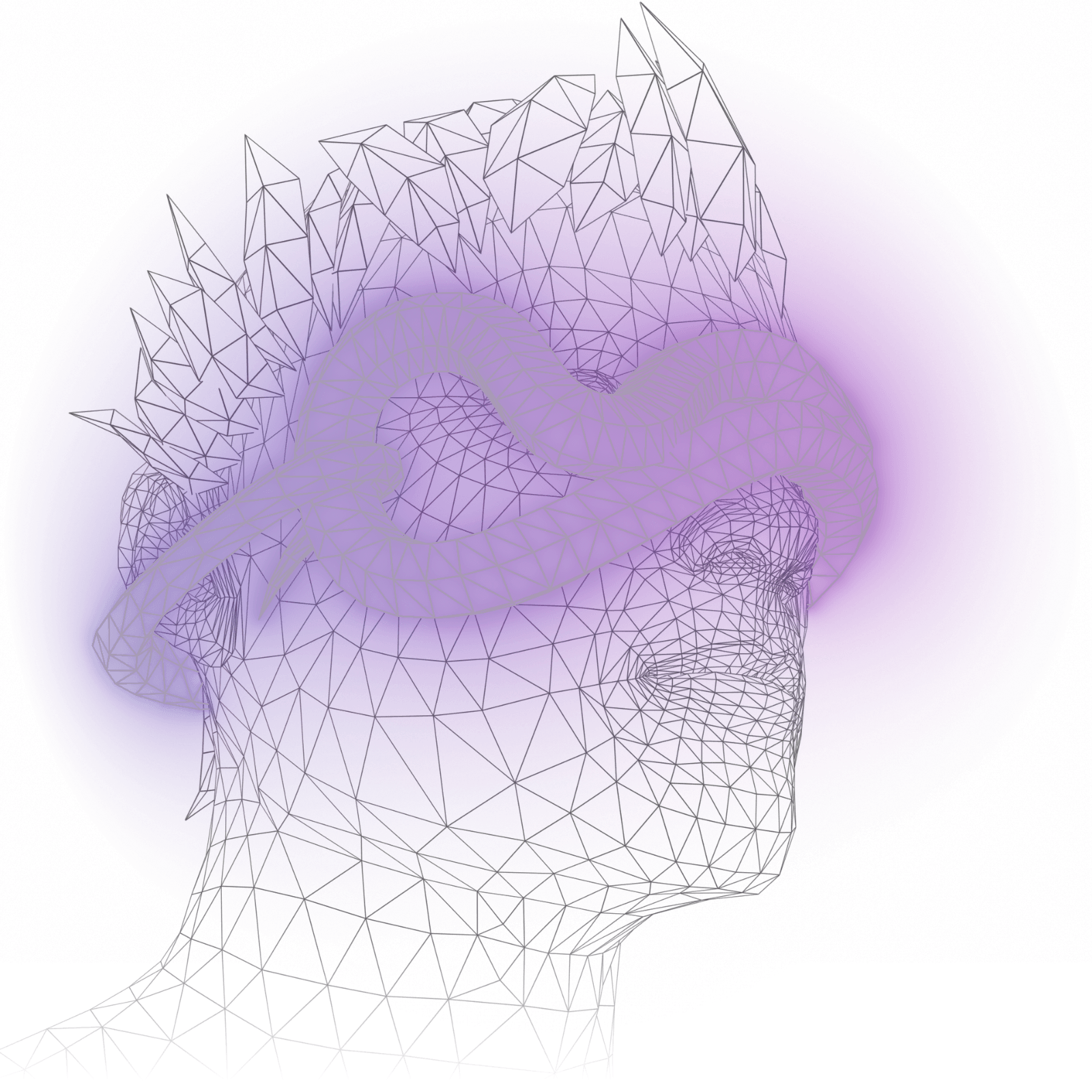
研究室の学術的ターゲット
Target
工学的応用より一段階基礎的な立場から、さまざまな現象やその解析手法に共通する数理的な構造を捉え、分野を超えて使える解析の方法論を探究します。解析手法の開発からプログラムへの実装、実問題への適用までを行き来し、各分野の専門家との協働を通じて、新たな学術の問いを見いだします。
現在は、粒子法、有限要素法、連成解析、大規模並列解析、モデル低次元化、機械学習などを軸に研究を進めています。流体と構造の連成、津波・防災、破壊に関わる問題に加え、写真から物体の形を復元し、その周りの流れや音の散乱を計算する研究にも取り組んでいます。
From a standpoint one step more fundamental than engineering applications, we capture the mathematical structures shared by diverse phenomena and by the methods used to analyze them, and we explore analysis methodologies that can be used across disciplines. Moving back and forth between developing analysis methods, implementing them in programs, and applying them to real-world problems, we find new academic questions through collaboration with experts in each field.
Our current research centers on particle methods, the finite element method, coupled analysis, large-scale parallel analysis, model order reduction, and machine learning. In addition to problems involving fluid–structure interaction, tsunamis and disaster mitigation, and fracture, we also work on reconstructing the shapes of objects from photographs and computing the flow around them and the scattering of sound.
教育・運営目標 Goals
自主的に対象問題を選び、研究開発に取り組むことを通じて、工学の専門的な知識・技術を身につけ、自ら研究を構想し進める力を養います。数理と工学の基礎に立ち、問いを立て、実装と検証を重ね、その価値を他者に伝える経験を積みます。AIなどの新しい道具を活用しながらも、得られた答えを吟味し、自分の判断に根拠を持つ。その積み重ねを、自分の力で社会を渡っていくための総合的な能力につなげます。
By independently choosing their target problems and engaging in research and development, members acquire specialized knowledge and skills in engineering and develop the ability to conceive and carry out research on their own. Grounded in the fundamentals of mathematics and engineering, they gain experience in posing questions, repeatedly implementing and verifying, and conveying the value of their work to others. While making use of new tools such as AI, they scrutinize the answers they obtain and base their own judgments on evidence. We connect this accumulated experience to the comprehensive ability to make their own way in society.
- 抽象化思考力・メタ思考力 Abstract Thinking and Meta-Thinking 異なる問題に共通する構造を見いだし、自分の問いや判断の前提を見直す力 The ability to find structures shared by different problems and to re-examine the premises of one's own questions and judgments
- 数理的洞察力 Mathematical Insight 現象を数式やモデルで捉え、その意味と限界を読み解く力 The ability to capture phenomena with equations and models, and to understand what they mean and where their limits lie
- 問題発見・解決力 Problem Finding and Solving 何を明らかにすべきかを定め、方法を選び、実装と検証を通じて答えを探る力 The ability to decide what should be clarified, choose a method, and seek answers through implementation and verification
- コンサルティング・プレゼン力 Consulting and Presentation 相手の課題を理解し、解決策や研究の価値を、専門の異なる相手にも伝える力 The ability to understand others' challenges and to convey solutions and the value of research, even to people with different expertise

研究室の基本的な運営理念 Our Basic Operating Philosophy
メンバー一人ひとりの興味や、身につけたい力、将来のキャリアを踏まえ、教員との対話を通じて研究テーマと進め方を組み立てます。研究の進展や関心の変化に応じてテーマを見直すこともできます。未知への挑戦と、成果を積み重ねる道筋を、それぞれの進路や研究の段階に合わせてともに考えます。
研究を進める主体は各メンバーです。自分なりに考え、まだ粗い段階から教員や仲間と相談し、問いやアイデアを具体化していきます。学内外の共同研究者とも知識や経験を持ち寄り、一人では届かなかった視点や発想に出会える環境をつくります。
興味のある方は、お気軽に研究室主宰者の三目までご連絡ください。
Based on each member's interests, the abilities they want to acquire, and their future career, we build each research topic and the way to pursue it through dialogue with the faculty member. Topics can also be revised as the research progresses or as interests change. Together, we think about both taking on the unknown and the path toward building up results, in line with each member's career plans and stage of research.
The members themselves drive their research. They think things through in their own way, consult with the faculty member and peers even while ideas are still rough, and give concrete shape to their questions and ideas. We also bring together knowledge and experience with collaborators inside and outside the university, creating an environment in which members encounter perspectives and ideas they could not have reached alone.
If you are interested, please feel free to contact Mitsume, who leads the laboratory.
最新のお知らせ News
- 論文Papers 森田研究室 (筑波大学) との共同研究に関する論文「IFDD-Surf: Implicit-function and domain-decomposition-based surface generation for distributed-memory parallel environments」が、国際学術雑誌 Software Impacts で公開されました。 A paper on joint research with Morita Laboratory (University of Tsukuba) titled "IFDD-Surf: Implicit-function and domain-decomposition-based surface generation for distributed-memory parallel environments" has been published in Software Impacts.
- 研究室Lab News 谢思さんが博士後期課程に入学し、研究室に加わりました。 Si Xie joined our lab as a new doctoral student.
- 受賞Awards 馬込望さんが「第31回計算工学講演会 優秀講演表彰」を受賞しました。 Nozomi Magome received the Excellent Presentation Award at the 31st JSCES Conference on Computational Engineering and Science.